Orthodontic treatment has undergone a remarkable evolution over the years, driven by advancements in technology and materials. Modern braces represent the culmination of decades of research and innovation, offering patients more comfortable, efficient, and aesthetically pleasing orthodontic solutions.
In this guide, we’ll delve into the technology behind modern braces, exploring the innovative techniques and materials that have revolutionized orthodontic care.
Computer-Aided Design and 3D Imaging
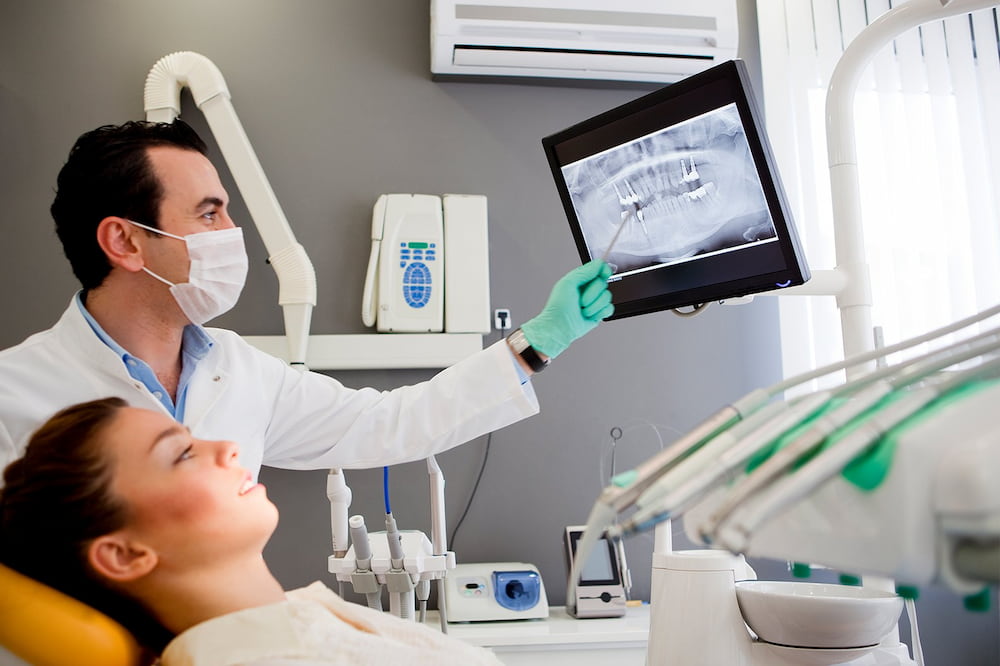
One of the most significant technological advancements in orthodontics is the integration of computer-aided design (CAD) and 3D imaging technology. Orthodontists now have access to sophisticated software programs that allow them to digitally plan and visualize the entire treatment process.
By analyzing 3D images of the patient’s teeth and jaws, orthodontists can precisely map out the movement of the teeth and develop customized treatment plans tailored to each patient’s unique needs.
Customized Treatment Planning
With the aid of CAD/CAM technology, orthodontists can create custom treatment plans that optimize the efficiency and effectiveness of orthodontic treatment. By simulating the movement of the teeth and predicting the final outcome of treatment, orthodontists can develop precise treatment protocols that minimize the duration of treatment and maximize results. This personalized approach to orthodontic care ensures that each patient receives the most appropriate and effective treatment for their individual needs.
Advanced Materials
Modern braces utilize advanced materials that offer improved performance, comfort, and aesthetics compared to traditional orthodontic appliances. For example, tooth-colored ceramic brackets are more discreet than metal brackets, making them a popular choice among patients who desire a more aesthetic treatment option. Additionally, nickel-titanium wires provide greater flexibility and resilience, allowing for gentler and more controlled tooth movement.
Self-Ligating Brackets
Self-ligating brackets represent a significant innovation in orthodontic technology, offering several advantages over traditional ligated brackets. Unlike conventional braces, which require elastic or metal ligatures to hold the archwire in place, self-ligating brackets feature built-in clips or doors that secure the wire without the need for ligatures. This design reduces friction and pressure on the teeth, resulting in more efficient tooth movement and fewer adjustments during treatment.
Clear Aligner Therapy
Clear aligner therapy, exemplified by Edmonton Invisalign options, has transformed orthodontic treatment by presenting a discreet and convenient substitute for traditional braces.
Clear aligners are custom-made, removable trays that gradually shift the teeth into alignment through gentle pressure. Digital scanning technology allows orthodontists to create precise 3D models of the patient’s teeth, enabling the fabrication of custom aligners that fit snugly and comfortably over the teeth.
Digital Monitoring and Treatment Tracking
In addition to facilitating treatment planning, digital technology allows for real-time monitoring and tracking of orthodontic progress. Orthodontists can use digital imaging and scanning techniques to assess treatment outcomes, monitor tooth movement, and make adjustments as needed throughout the course of the treatment. This enables orthodontists to provide more proactive and responsive care, ensuring optimal results for their patients.
Conclusion
The technology behind modern braces has transformed orthodontic care, offering patients more comfortable, efficient, and aesthetically pleasing treatment options than ever before.
From computer-aided design and 3D imaging to advanced materials and digital monitoring, these innovations have revolutionized the way orthodontic treatment is planned and executed. By embracing the latest technological advancements, orthodontists can provide their patients with superior care and achieve exceptional treatment outcomes.
Did you find this helpful? Check out our other helpful articles on our website.
Read Also
- Innovative Technologies in Oncology: The Future of Cancer Treatment
 Have you ever wondered how far cancer treatment has come in recent years? Advances in technology are making a real difference in the fight against cancer. Today, more people are living longer and healthier lives after a cancer diagnosis. This is all thanks to new and groundbreaking medical advancements. The future of cancer care looks… Read more: Innovative Technologies in Oncology: The Future of Cancer Treatment
 - Cloud-Based Healthcare Administration Solutions: A Guide for Payers, TPAs, and Provider NetworksHealthcare administration has become too complex for disconnected spreadsheets, aging on-premise applications, and manual handoffs between departments. Organizations need technology that can manage claims, enrollment, billing, provider relationships, and member data as connected parts of the same operation. MCSI – Visova is one example, offering a cloud-native vpaas designed to support HIPAA-compliant healthcare administration. Its… Read more: Cloud-Based Healthcare Administration Solutions: A Guide for Payers, TPAs, and Provider Networks
- How Intelligent Invoice Processing Is Reshaping Healthcare AP WorkflowsWhat happens when healthcare invoice volumes outpace the AP team’s ability to review, validate, and route them, while cost per invoice keeps rising? That gap is pushing finance leaders past basic digitization. Supplier invoices across formats, systems, departments, and approval paths, and holding speed, accuracy, compliance, and visibility together gets harder at scale. Intelligent invoice… Read more: How Intelligent Invoice Processing Is Reshaping Healthcare AP Workflows
- From 1905 to 2026: How German Legacy Manufacturers Power Deutsche Dental Technologien’s SuccessFrom 1905 to 2026: How Busch & Co.’s Legacy Powers Deutsche Dental Technologien’s Success In an era where dental technology advances at breakneck speed, few companies embody the perfect blend of historic craftsmanship and modern business agility quite like Busch & Co. and its strategic partner Deutsche Dental Technologien. What began as a small dental bur factory in… Read more: From 1905 to 2026: How German Legacy Manufacturers Power Deutsche Dental Technologien’s Success
- Why the Future of Healthcare Administration is Cloud-NativeThe operational demands placed on modern healthcare administrators have officially outpaced the capabilities of traditional IT infrastructure. While clinical medicine continues to advance at breakneck speed, the back-office systems required to support it often remain painfully stagnant. Today’s insurers, Third-Party Administrators (TPAs), and provider networks are forced to navigate an avalanche of daily claims, aggressive… Read more: Why the Future of Healthcare Administration is Cloud-Native
- The Digital Overhaul: Why Modern Healthcare Administration Demands Advanced Technology SolutionsLet’s be honest about the current state of healthcare administration: it is staggering under its own complexity. The days of managing patient populations, claims, and provider networks with spreadsheets and disjointed legacy systems are long gone. Today, the sheer volume of data processing required just to keep a healthcare organization afloat is enough to paralyze… Read more: The Digital Overhaul: Why Modern Healthcare Administration Demands Advanced Technology Solutions
- Tech-Enabled Healthcare Innovation in Physical Therapy CarePhysical therapy is changing with the help of new technology. Digital tools are now used to support recovery and improve care. These tools help therapists track progress in a better way. Explore how technology is reshaping physical therapy with innovative digital tools. It highlights smarter recovery and patient outcomes in healthcare. Continue reading to discover… Read more: Tech-Enabled Healthcare Innovation in Physical Therapy Care
- 5 Best Payroll Error Detection Software for Healthcare in 2026Healthcare organizations operate some of the most complex payroll environments in any industry. Hospitals, skilled nursing facilities, rehabilitation centers, physician groups, and home healthcare providers must manage thousands of employees working across different shifts, departments, facilities, and compensation structures. Payroll teams are expected to process this information accurately while complying with labor regulations, organizational policies,… Read more: 5 Best Payroll Error Detection Software for Healthcare in 2026